Little Havana, Miami, is one of the most famous neighborhoods in the United States, but its story is much more than bright murals, lively music, and great food. It’s tied to migration, identity, and community, and it remains one of the strongest examples of Cuban culture in Miami today. Walking its streets, especially along iconic Calle Ocho, you are not just visiting a destination; you are stepping into a living chapter of Cuban-American history.
For travelers who want to experience this story firsthand, our Little Havana Food and Cultural Tour offers the chance to learn the history while tasting the food and meeting the people who shaped it.
But before you arrive, it helps to understand how this remarkable neighborhood came to be. Scroll down to learn more about the history of Little Havana, Miami!

Long before Little Havana had its name, Cuban influence was present in Miami. This is hardly a surprise given that Cuba is only around 90 miles away from Key West, Florida. And Miami is hardly much further away: around 250 to 300 miles separates Magic City and the island nation.
Trade between Cuba and Florida existed in the early 20th century, and Cuban visitors often arrived by sea for business or leisure. Some stayed, creating small but meaningful communities that worked in commerce, hospitality, and port industries.
The areas that would later become Little Havana were originally known as Riverside and Shenandoah, a mix of a lower-middle-class neighborhood and a thriving Jewish community. It was not yet recognized as one of the Cuban neighborhoods in Miami, and Spanish was not the dominant language. Still, the early movement of people between Cuba and Miami helped set the foundation for the deep connection that would soon transform the area entirely.
Before we move on, let us also recommend our Cultural Guide to Little Havana, Miami! It’s the perfect companion piece to this post, and the combination of both provides plenty of information and inspiration ahead of your visit.

The turning point in Little Havana's history came after the 1959 Cuban Revolution. As political conditions changed in Cuba, a major wave of Cuban exiles arrived in Miami, searching for safety, freedom, and the opportunity to rebuild their lives. The neighborhood west of downtown offered affordable housing and proximity to jobs, and it quickly became a gathering point for families from Havana and beyond.
As more Cuban residents settled, businesses began to reflect their heritage. Spanish signs appeared. Cafeterias serving cafecito opened their windows. Bakeries, grocery stores, and music shops lined the streets. The identity of the neighborhood shifted, and the community itself began to use a new name: Little Havana.
The history of Little Havana, Miami, is inseparable from exile. Many residents carried memories of homes they could no longer return to, and the neighborhood became a place to preserve culture and language while starting over. That sense of resilience explains why Little Havana still feels so emotionally vibrant today.
Looking for some itinerary inspiration when you’ve finished here? We think you’ll love our picks for the best things to do in Little Havana.

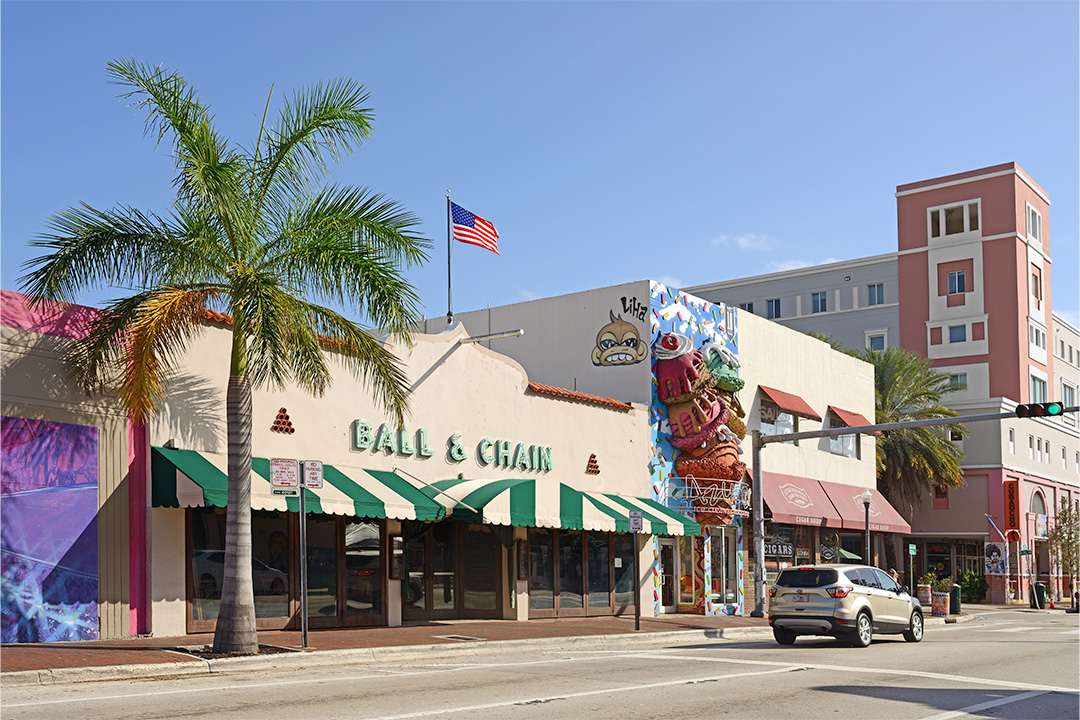
You cannot talk about Little Havana's history without Calle Ocho. SW 8th Street became the social, commercial, and cultural center of this growing new community, with a widely accepted central section between 12th and 17th Avenues. The history of Calle Ocho includes mom-and-pop restaurants, cigar shops, ventanitas serving Cuban coffee, and gathering spaces where neighbors discussed news from Cuba and life in Miami.
But Calle Ocho's history is more than architecture or old shopfronts. It has been the setting for political demonstrations, cultural celebrations, and everyday social life. It is where domino games run long into the afternoon and where music spills out onto the sidewalks.
If you want practical guidance on what to see there, don’t miss our Cultural Guide to Calle Ocho, Little Havana, which dives into some of its best landmarks and experiences.

From its earliest days, Little Havana was more than just a residential area. It became a center of political voice for the Cuban exile community. Residents gathered to discuss Cuban news, advocate for family members still on the island, and engage with US policies affecting immigration and Cuba-US relations.
Public art, monuments, and murals throughout the neighborhood reflect this history. They preserve memories of key events and honor leaders and activists. This side of Little Havana history explains why the neighborhood carries a deep emotional weight for many Cuban Americans, even generations after the first arrivals.
Food has played a powerful role in preserving Cuban culture in Miami. It has helped families maintain a connection to traditions from home while adapting to new surroundings. Restaurants and cafés in Little Havana often remain family-owned, with recipes passed down through generations.
Dishes such as Cuban sandwiches, pastelitos, picadillo, and strong Cuban coffee are not just menu items. They are reminders of childhood kitchens and celebrations in Cuba. Taste is memory, and those memories remain strong in Little Havana.
Our Little Havana Food and Cultural Tour highlights this connection beautifully. While tasting traditional foods, guests also learn how cuisine fits into broader Cuban history in Miami. It’s an experience rooted not just in flavor, but in story.
And for even more local recommendations to visit before or after your time with us, don’t miss our choices for the best Cuban restaurants in Little Havana, Miami.

Little Havana’s history has always been tied to celebration and community gatherings. Music, especially son, salsa, and Latin jazz, has long been part of everyday life here. The neighborhood is known for live performances, dance, and weekly and annual events that bring residents and visitors together.
The most famous of these is the Calle Ocho Music Festival, part of Carnaval Miami. It celebrates Latin culture across countries, generations, and musical styles, and it highlights the role of Little Havana as a cultural hub.
Another beloved tradition is the monthly arts festival (usually held on the third Friday of the month), Viernes Culturales. This event brings together poets. painters, musicians, dancers, and artisans in one large party on Calle Ocho.
Smaller neighborhood events and traditions continue throughout the year as well, reinforcing the pride residents have in their heritage and the role Little Havana plays in the broader history of Miami.

Like many historic neighborhoods, Little Havana continues to evolve. New residents and businesses arrive, tourism has grown, and the area adapts to Miami’s constant development. Yet the core identity remains rooted in Cuban culture in Miami and in the story of exile and resilience.
Preservation groups, local families, artists, and business owners work to maintain the neighborhood’s heritage while welcoming visitors who want to learn about it respectfully. Walking along Calle Ocho today, it is easy to see both the past and present layered together.
Find out more about this topic by reading the National Trust for Historic Preservation’s profile on Little Havana.
Now you know more about the history of Little Havana, Miami, let us help you explore and taste the very best it has to offer. Find out all about our Little Havana Food and Cultural Tour and see which times and dates are still available during your time here.
Do you have any pre-booking questions? Please don’t hesitate to contact us.

This site uses Google reCAPTCHA V3. Read the privacy policy and terms of service for more information.