Little Havana is one of Miami’s most vibrant and exciting neighborhoods. It’s a place where music floats into the street, the smell of strong Cuban coffee lingers in the air, and tradition is something you can taste, hear, and feel. For many visitors, it’s the first place they go to understand Miami Cuban culture. For others, it’s a regular stop for food, art, and a glimpse of everyday life in a community shaped by resilience and heritage.
Whether you’re exploring on your own or joining a guided experience like our own Little Havana Food and Cultural Tour, this Little Havana guide will help you make the most of your visit.
Scroll down to get started! And if any questions come to mind as we go, please feel free to contact us.
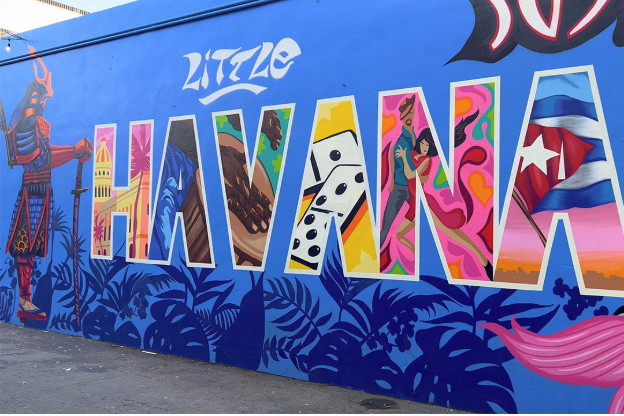
Little Havana began taking shape in the early 1960s, when the first major wave of Cuban exiles arrived in Miami after the Cuban Revolution. Many settled west of Downtown, and the area soon became known as “Little Havana” as businesses, cafés, and community centers opened to support the growing population. Over time, the neighborhood became the spiritual and cultural heart of the Cuban diaspora in the United States.
Throughout the 1960s and 70s, Calle Ocho emerged as the center of daily life. It was home to political gatherings, small bodegas, ventanitas serving strong cafecito, and family-run restaurants that preserved traditional recipes. As more Cuban families established roots here, Little Havana evolved into a symbol of identity and resilience, representing both the struggle of exile and the determination to rebuild community in a new country.
Today, Little Havana is one of Miami’s most culturally significant neighborhoods. The history remains visible in everyday scenes: longtime residents playing dominoes at Maximo Gomez Park (AKA Domino Park), cigar rollers practicing a craft passed down through generations, and restaurateurs who have watched the street change while keeping tradition at the forefront. Murals, music, and locally owned shops continue to express the pride of a community deeply connected to its heritage.
If you want a closer look at how Calle Ocho became what it is today, check out our blog our Guide to Calle Ocho, Little Havana, when you have finished here.
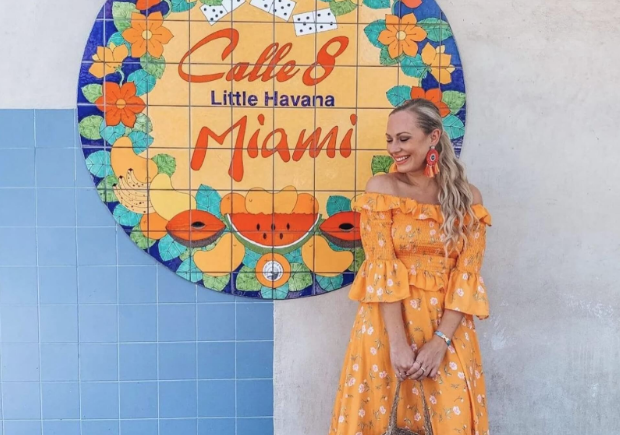
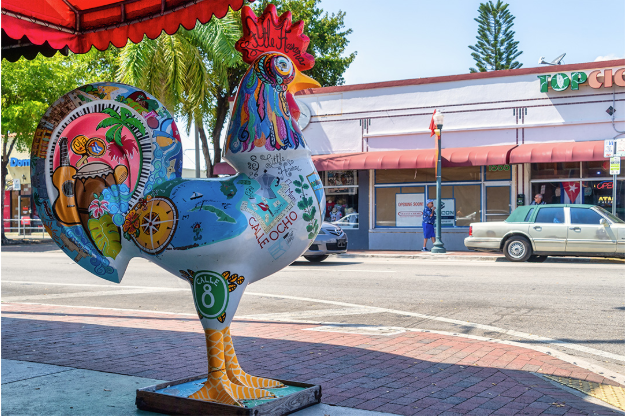
If you want to understand Little Havana culture, Calle Ocho is where to start. This iconic street keeps the neighborhood’s culture, heritage, and rhythm alive. As the main thoroughfare, it runs through the heart of Little Havana with a widely accepted central section between 12th and 17th Avenues.
But what are some of the highlights of Calle Ocho? We’re glad you asked! Here are some of our favorite spots:
One of the joys of Little Havana is simply walking around, soaking up the atmosphere, and seeing what you find, be it famous ice cream parlours, restaurants that have featured in movies, or cultural and historical cornerstones. Check out picks for the best things to do in Little Havana for even more local insights.
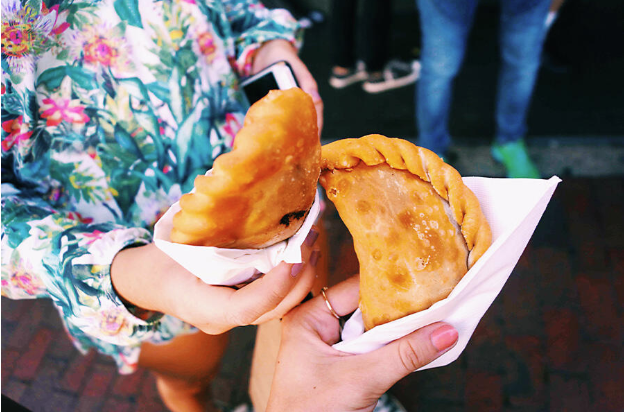
Food is the heartbeat of this neighborhood, and it’s one of the best ways to experience Cuban culture in Miami. Little Havana food tells the story of migration, family tradition, and local pride.
Expect strong Cuban coffee from walk-up windows, flaky pastelitos, hot empanadas, and the classic Cubano that put Miami on the map. Restaurants here are almost always family-owned, with many passing recipes down through generations.
For travelers looking to explore Little Havana restaurants and learn why certain dishes hold cultural meaning, our Little Havana Food and Cultural Tour offers stops at family-run kitchens, a ventanita serving authentic Cuban cafecito, and a tasting of an award-winning Cubano exclusive to the tour. It’s a great way to connect with this incredible place, and it’s the #1 food tour experience in Miami!
If you’re planning your own meal stops during your stay, don’t miss our blog about the best Cuban restaurants in Little Havana!
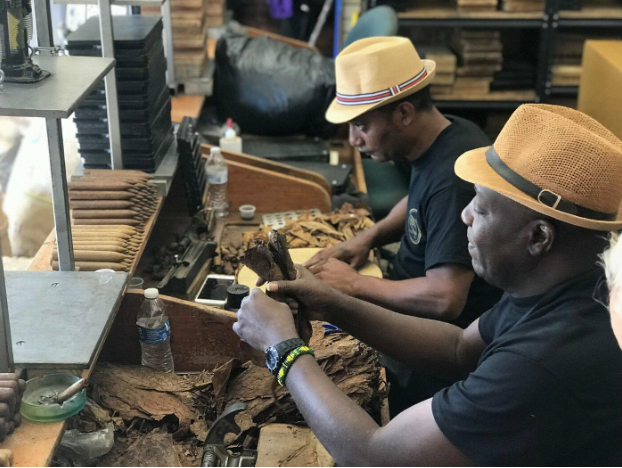
Art and craftsmanship are woven into daily life here. Walking along Calle Ocho, you’ll find cigar shops rolling tobacco by hand — the same traditional method Cuban torcedores have used for generations. Even if you don’t smoke, it’s fascinating to see the skill involved.
Local galleries bring Afro-Cuban influences, political storytelling, and bright Caribbean color together. Many artists work on-site, so it’s common to watch a piece come to life as you browse. The murals throughout Little Havana, Miami, are also worth exploring. They reflect themes of identity, diaspora, and community pride, forming an important part of the cultural landscape.
Several of these traditions are highlighted on our Little Havana experience, offering guests the chance to watch an expert cigar roller at work or visit a family-run frutería with roots deep in the neighborhood.
Little Havana’s streets hum with music, but not just as entertainment. These sounds are part of the neighborhood’s authentic heartbeat. From the moment you arrive, you hear the unmistakable echo of son, salsa, Latin jazz, and Afro-Cuban rhythms drifting through open windows, under awnings, and from live music venues. These sounds are woven into daily life, rather than just reserved for special nights.
Music in Little Havana is deeply rooted. In the 1960s and ’70s, Cuban exiles brought their musical traditions with them, and the sounds of their homeland became a way to preserve identity and community. Churches, community centers, and local cafés would host impromptu performances. Over time, small venues like social clubs, bars, and restaurants became gathering spots for musicians and dancers.
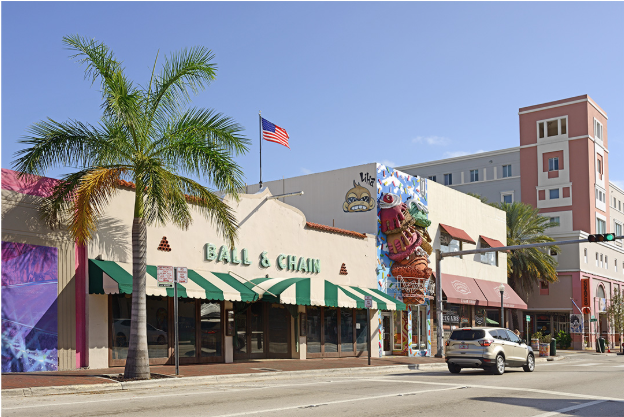
Today, you’ll find live music nearly every day, including iconic locations like Ball & Chain. In the afternoons, local musicians might play jazz or son at cultural cafés or outdoor plazas. In the evening, larger spaces host salsa bands or DJ sets that keep the dance floor moving late into the night. What's remarkable is how locals dance freely in these venues. Guests watching might think they're in a show, but it's just part of the neighborhood’s evening rhythm.
One of the most beloved traditions is Viernes Culturales, a monthly arts festival (usually the third Friday of the month) on Calle Ocho. This event brings together painters, poets, musicians, dancers, and artisans in one large block party. You’ll see live salsa performances, hear Cuban piano songs, and feel the energy as dancers swirl in the street.
It’s not just a tourist attraction; it’s a community celebration where generations share their art, their stories, and their history, and it’s a great way to connect with Miami Cuban culture.
Little Havana is home to some of Miami’s biggest cultural events. The Calle Ocho Music Festival, which is part of Carnaval Miami, draws massive crowds every year and features live music, food from local vendors, and performances that highlight the diversity of Latin cultures in the city.
Throughout the year, the neighborhood hosts smaller celebrations tied to holidays, heritage months, and community traditions. Each one reflects the deep pride residents feel for their neighborhood.
If this Little Havana guide has inspired you to visit, you’ll find even more depth on our Little Havana Food and Cultural Tour. It’s one of the most fun, engaging, and tastiest ways to explore the neighborhood through stories, food, and local connections that bring Miami Cuban culture to life.
Do you have any pre-booking questions for us? Please just get in touch for all the answers you need.

This site uses Google reCAPTCHA V3. Read the privacy policy and terms of service for more information.